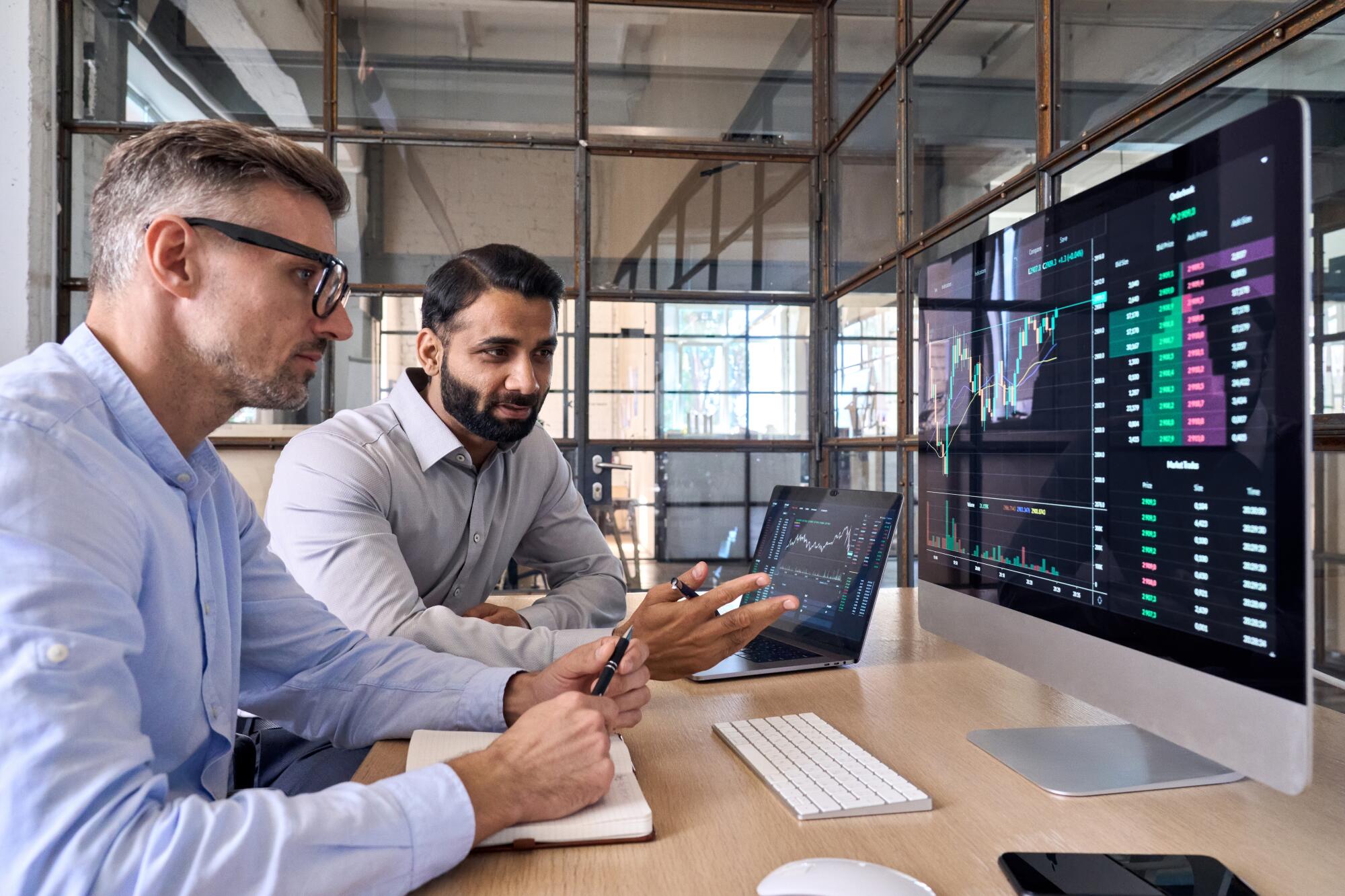


Effective employee tracking helps businesses improve productivity and performance while maintaining employee trust and morale. By using transparent, non-intrusive monitoring tools and clear performance goals, companies can support accountability and efficiency without creating a culture of distrust.
In today’s fast-paced business environment, optimizing employee tracking has become paramount to increasing productivity while maintaining morale. Striking a balance between effective employee monitoring and employee satisfaction is key for business owners and HR professionals alike.
In this article, we will delve into the various facets of employee tracking, exploring strategies that will allow you to monitor productivity without overstepping important boundaries.
The Importance of Employee Tracking
Understanding how to monitor productivity effectively helps businesses not only in tracking hours but also in assessing employee performance. Companies that implement strong tracking systems can better identify areas for improvement, which in turn boosts both efficiency and morale.
With the reality of remote work becoming more commonplace, businesses need to employ systems that foster accountability without creating a culture of distrust.
Implementing Effective Employee Monitoring Strategies
One pivotal aspect of effective employee monitoring is transparency. Clear communication regarding the purpose and method of monitoring sets realistic expectations, thereby reducing anxiety. Here are a few actionable strategies you can deploy:
Utilize Non-Intrusive Monitoring Tools
Look for software solutions that provide insights into employee performance without compromising privacy. Features like time tracking and productivity analytics help to track work productivity while respecting individual boundaries.
Set Clear Goals and KPIs
Implement key performance indicators (KPIs) that encourage employees to target specific outcomes. This can make performance tracking easier and more focused.
Provide Regular Feedback
Foster an atmosphere where feedback is frequent and constructive. This shows employees that they are valued and encourages them to improve their performance continuously.
Choosing the Right Time Tracking Software
Not all time clock software is created equal. When selecting a system, consider the following features:
- Ease of use: A user-friendly interface encourages employees to adopt the system quickly
- Integration: Ensure that the software can integrate with existing payroll and accounting systems
- Mobile capabilities: Look for a time clock app that supports mobile time tracking with GPS, which is useful for remote or field employees
- Real-time reporting: Choose software that provides real-time data on employee hours and attendance
Future Trends in Employee Tracking Technology
As technology advances, the future of employee performance tracking will increasingly lean towards AI-driven solutions. These tools will provide deeper insights and predictive analytics to guide workforce management strategies. For example, integrating machine learning algorithms can help identify patterns in productivity, empowering managers to make data-backed decisions.
Moreover, with a notable shift towards remote and hybrid work environments, embracing non-intrusive monitoring will enhance acceptance among employees. Offering flexibility while ensuring accountability is likely to define best practices going forward.
Embrace Change With TimeTrakGO
In conclusion, effective employee tracking is essential for optimizing productivity while fostering a supportive workplace environment. Implementing time clock software like TimeTrakGO can significantly improve efficiency in your organization while respecting employee autonomy. By leveraging non-intrusive monitoring techniques and adapting to changing work dynamics, businesses can enhance employee performance and satisfaction.
Ready to take your employee performance tracking to the next level? Then sign up with TimeTrakGO now. We offer a 14-day free trial with no credit card needed.