

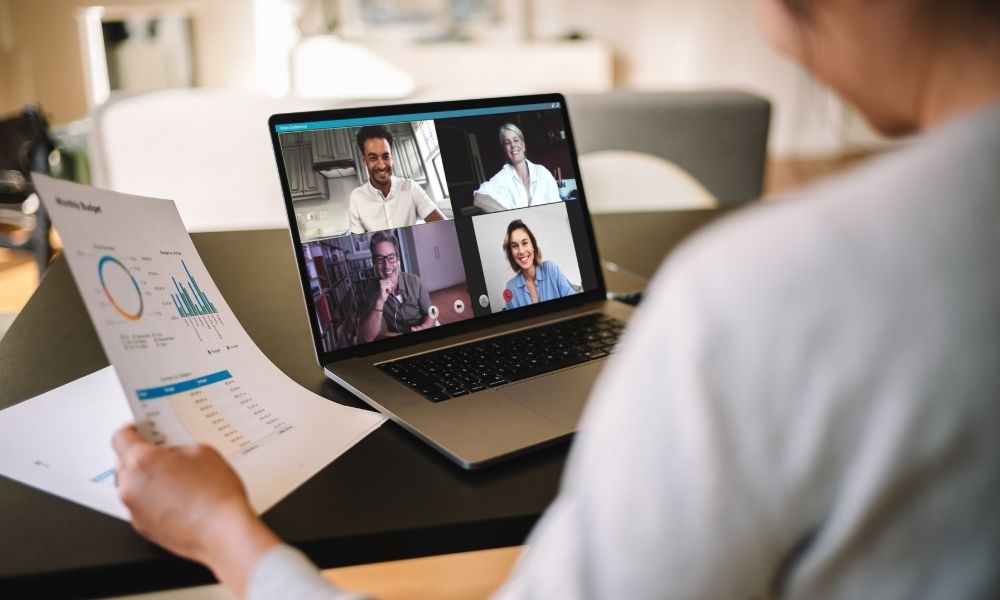
Remote work isn’t automatically more or less productive than working in an office. What actually matters is whether a company has the scheduling, communication, and time tracking structure in place to support employees working outside of a shared physical space. When that structure exists, many companies find remote employees are just as productive as in-office ones, sometimes more so.
Easier Scheduling and Coordination
Shared digital calendars make it faster to find a meeting time that works for everyone. An employee scheduling a team meeting can check everyone’s availability and pick a time directly, rather than tracking people down individually to compare schedules, which was often the norm before shared digital calendars became standard.
More Flexibility for Employees
Remote work gives many employees more control over their day: more time with family, and the ability to run an errand on a break instead of after a full day at the office. Cutting out a daily commute also saves both time and money. Whether that flexibility translates into higher job satisfaction and productivity varies by person and by role, but for employees who thrive with more autonomy, it’s a real factor.
Better Tools Make the Difference
Remote work only functions well when employees can manage their own time without an office environment providing built-in structure. Some employees adapt to that easily; others find it harder, and that gap can show up in productivity if nothing addresses it.
An employee time clock app with GPS helps close that gap by giving both employer and employee a clear, shared record of hours worked, regardless of where the work happens.
Remote work isn’t a guaranteed productivity boost on its own. It works best when a company gives employees the structure and tools to manage their time well, wherever they’re working from.