

Employee monitoring has a bad reputation for a reason. Keystroke loggers, screenshot tools, and constant activity trackers tell a manager a lot about what’s happening on a screen and very little about whether the work actually got done, and employees notice the difference.
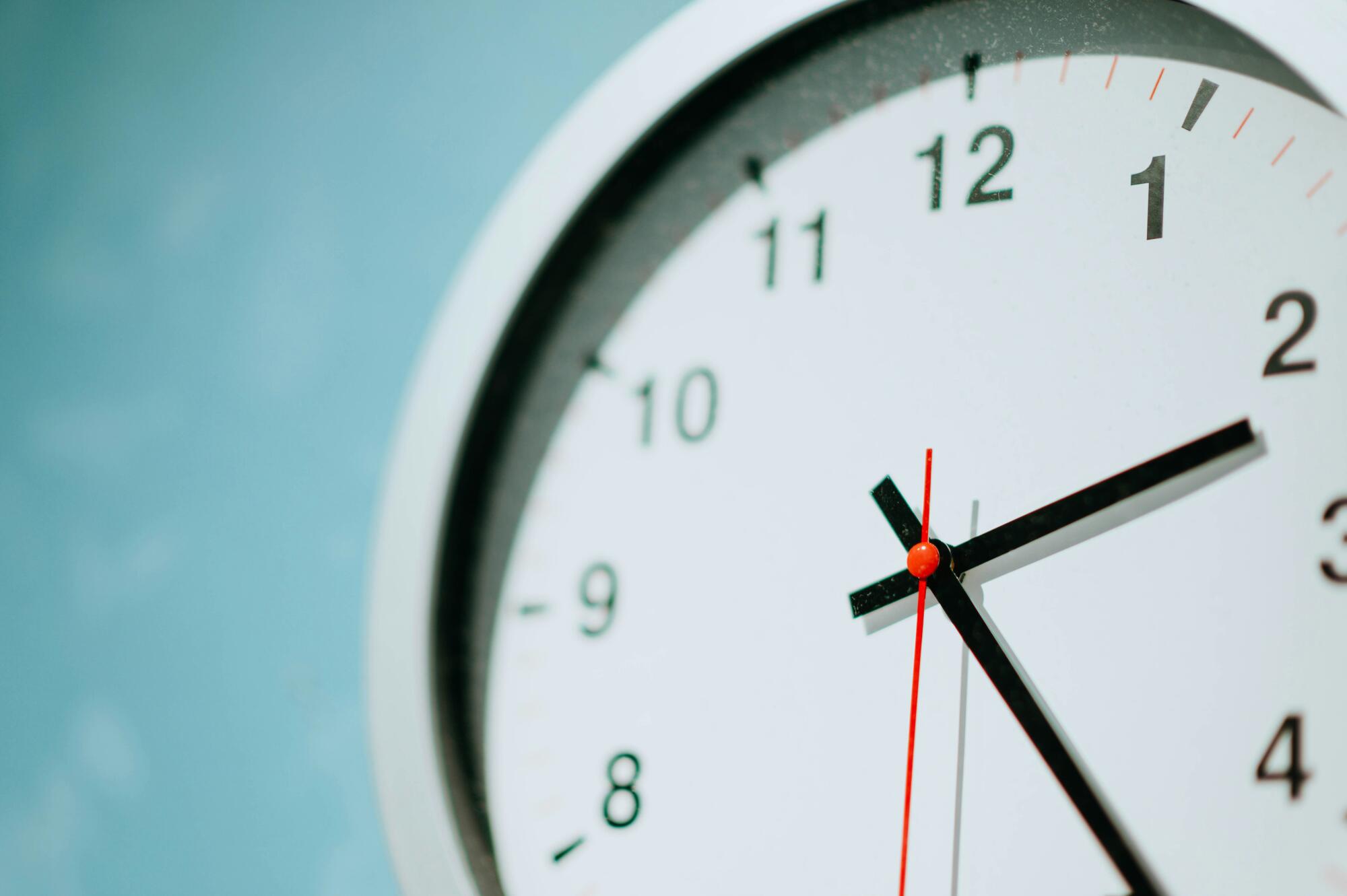
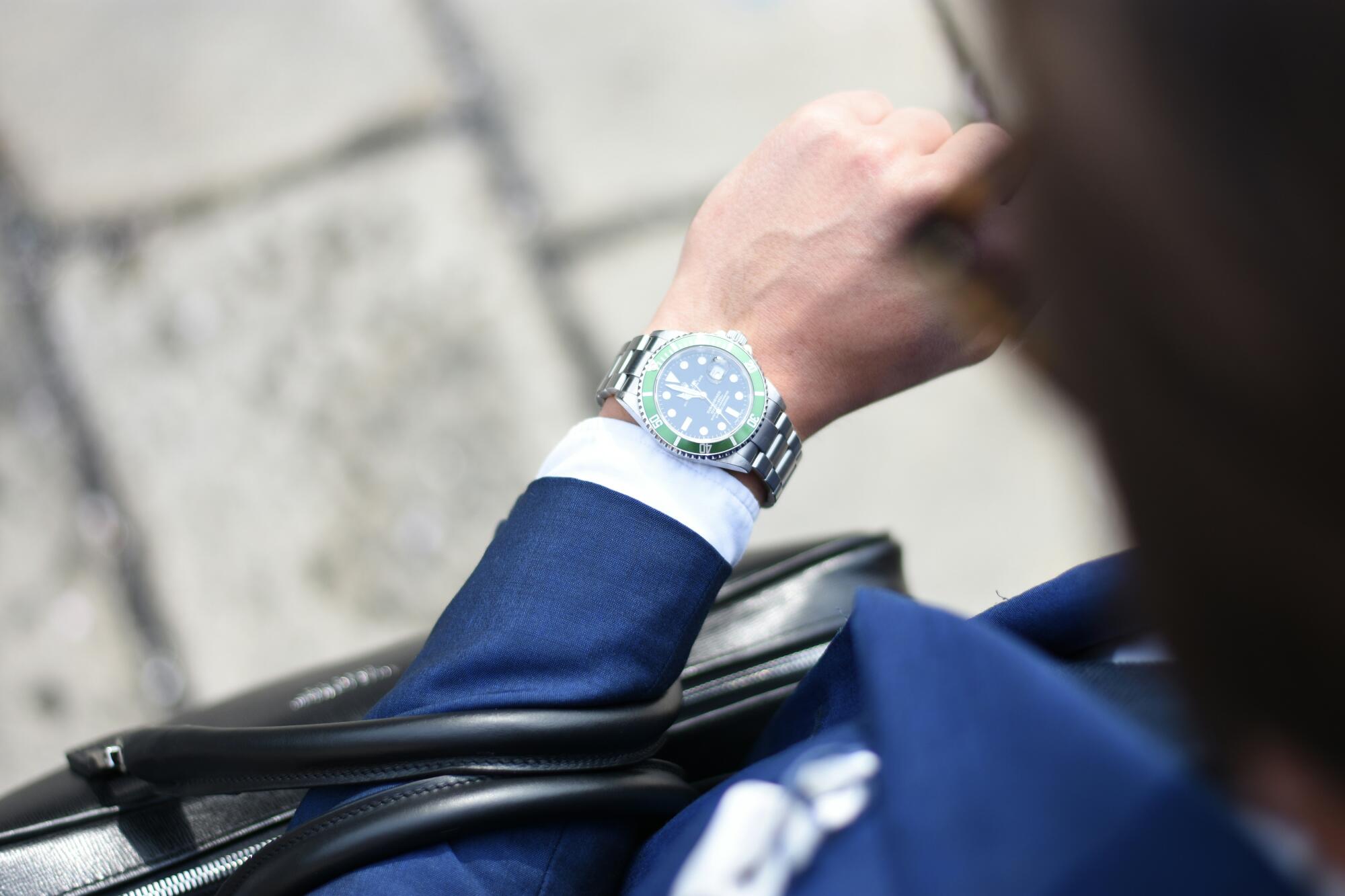
Time tracking sits on the other side of that line. It answers a narrower question, when someone worked and for how long, without watching what they did during those hours. That’s a meaningful distinction if you’re trying to keep tabs on productivity without making people feel surveilled.
Where the line actually is
The difference between reasonable oversight and overreach usually comes down to what’s being recorded and who can see it. Clock-in and clock-out times, and whether someone showed up where they said they would, are operational facts a business legitimately needs. Screen recordings and keystroke logs are something else entirely, and employees tend to treat them that way even when the intent behind them is reasonable.
TimeTrakGO’s GPS tracking is a useful example of staying on the right side of that line: it records location at the moment someone clocks in or out, not continuously through the shift. It answers “were they where they said they’d be” without turning into a location tracker running in the background all day.
Set expectations before you turn anything on
Most of the discomfort around monitoring shows up when employees find out about it after the fact, with no warning and no explanation. Tell people what’s being tracked, why, and who has access to it before the system goes live. A short explanation removes most of the suspicion that builds up around a change nobody explained.
Make the data useful, not just collected
A real-time dashboard that shows hours and attendance patterns gives managers what they actually need: whether someone’s on track, not a minute-by-minute account of their day. If the reporting doesn’t answer a real question a manager has, like who’s approaching overtime or which shifts are chronically understaffed, it’s just data for its own sake.
What TimeTrakGO tracks, and what it doesn’t
TimeTrakGO records punches: when someone clocked in, clocked out, and where, if GPS is enabled. It doesn’t monitor screen activity, keystrokes, or what someone’s doing between punches. For businesses that want accurate hours without invasive monitoring, that’s the whole point. Biometric data, where it’s used for clock-in, is handled under its own dedicated privacy policy rather than folded into general terms of service.
Start a free trial to see what accurate, non-invasive time tracking actually looks like day to day.
About the Author: Brian Zurawski