
Overtime pay is based on the idea that employees must be compensated for working more than the standard number of hours in a given week. It is required by federal law.
Unfortunately, there is more to calculating overtime pay than simply understanding federal law. It can be a real headache for payroll departments, and worse, it can mean employees aren’t paid the correct amount if it’s not calculated right.
The good news is there are ways to make your overtime payroll run smoothly. The examples below will help ensure your employees are being paid the accurate amount without too much hassle for your accounting team.
[… “What Is Overtime Pay?” through “Piece-Rate Work” sections unchanged from the current live version …]What’s Changed for 2026: Qualified Overtime Reporting
Calculating the correct overtime amount is now only part of the picture. Starting in 2026, employers must separately report “qualified overtime” (overtime required under FLSA Section 7) on Form W-2, Box 12, Code TT, tied to a new federal tax deduction for eligible employees. It doesn’t change the pay calculations above, but it does mean payroll records need to distinguish qualified overtime from other overtime pay. See our overtime tracking guide for the specifics on what qualifies and how the reporting requirement works.
Find the Best Overtime Pay Software
Now that you know the formulas and mistakes to avoid, the easiest way to keep this accurate week after week is with time tracking software that calculates it for you instead of relying on manual math for every employee.
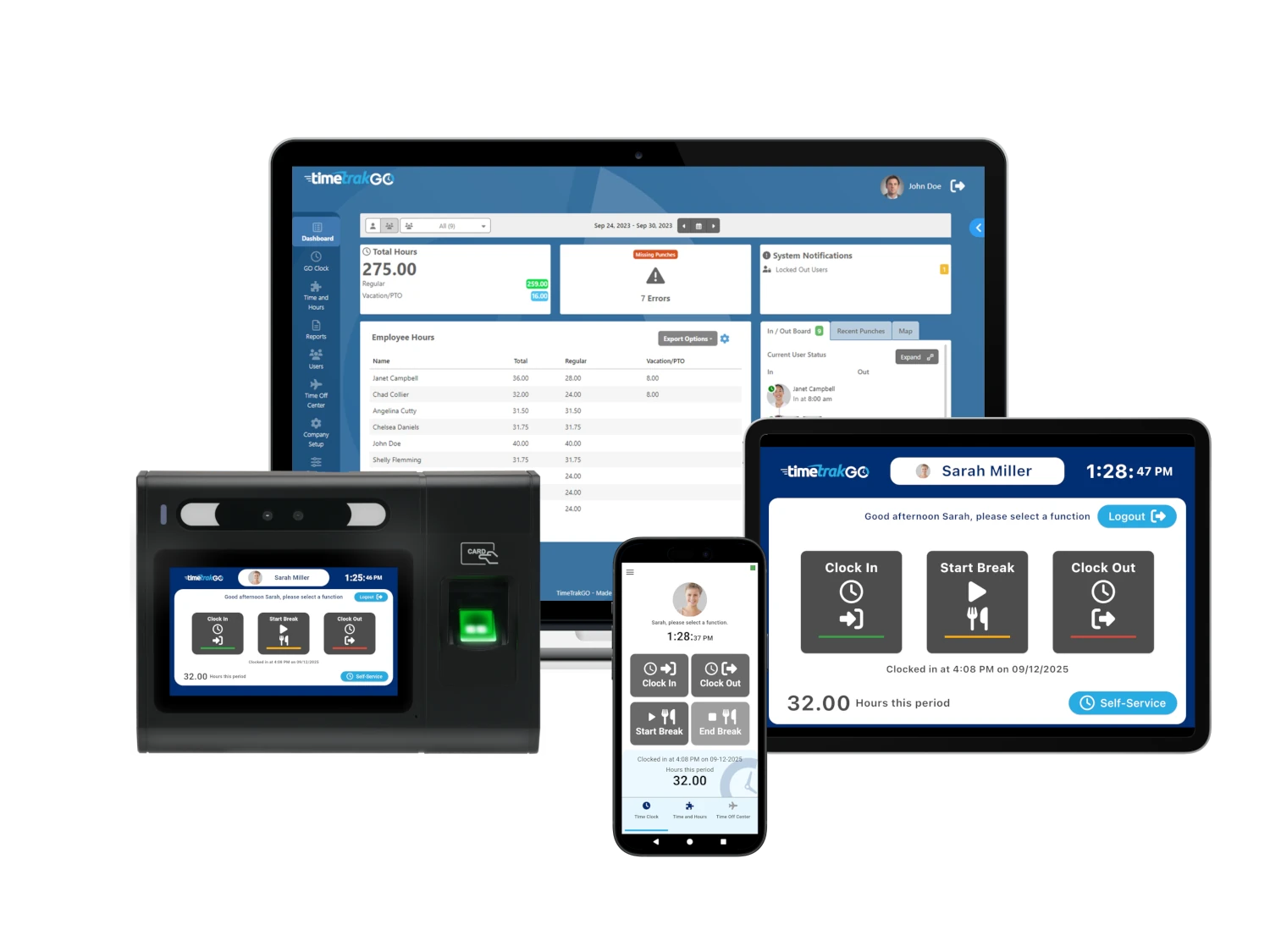
TimeTrakGO is web-based timesheet software with graphical time cards that show a full pay period at a glance, so you can catch a calculation issue before payroll runs instead of after. Start a free 14-day trial to see it against your own payroll numbers.
About the Author: Brian Zurawski